Art Beyond Sight: More Than What the Eye Can See
We live in a culture dominated by the visual. From the glow of our smartphone screens to the massive billboards lining our highways, we are constantly told that “seeing is believing.” In the world of fine art, this bias is even stronger; we are taught to judge a painting by its colors, its lines, and its immediate visual impact. However, my journey has taught me a different truth: art beyond sight is where the true soul of creativity resides.
When I lost my physical vision, I didn’t lose my connection to beauty. Instead, I discovered that the most profound elements of a masterpiece—emotion, intention, and rhythm—do not actually require eyes to be understood. Art is a language of the human spirit, and that spirit speaks through more than just light and shadow.
The Language of Texture and Touch
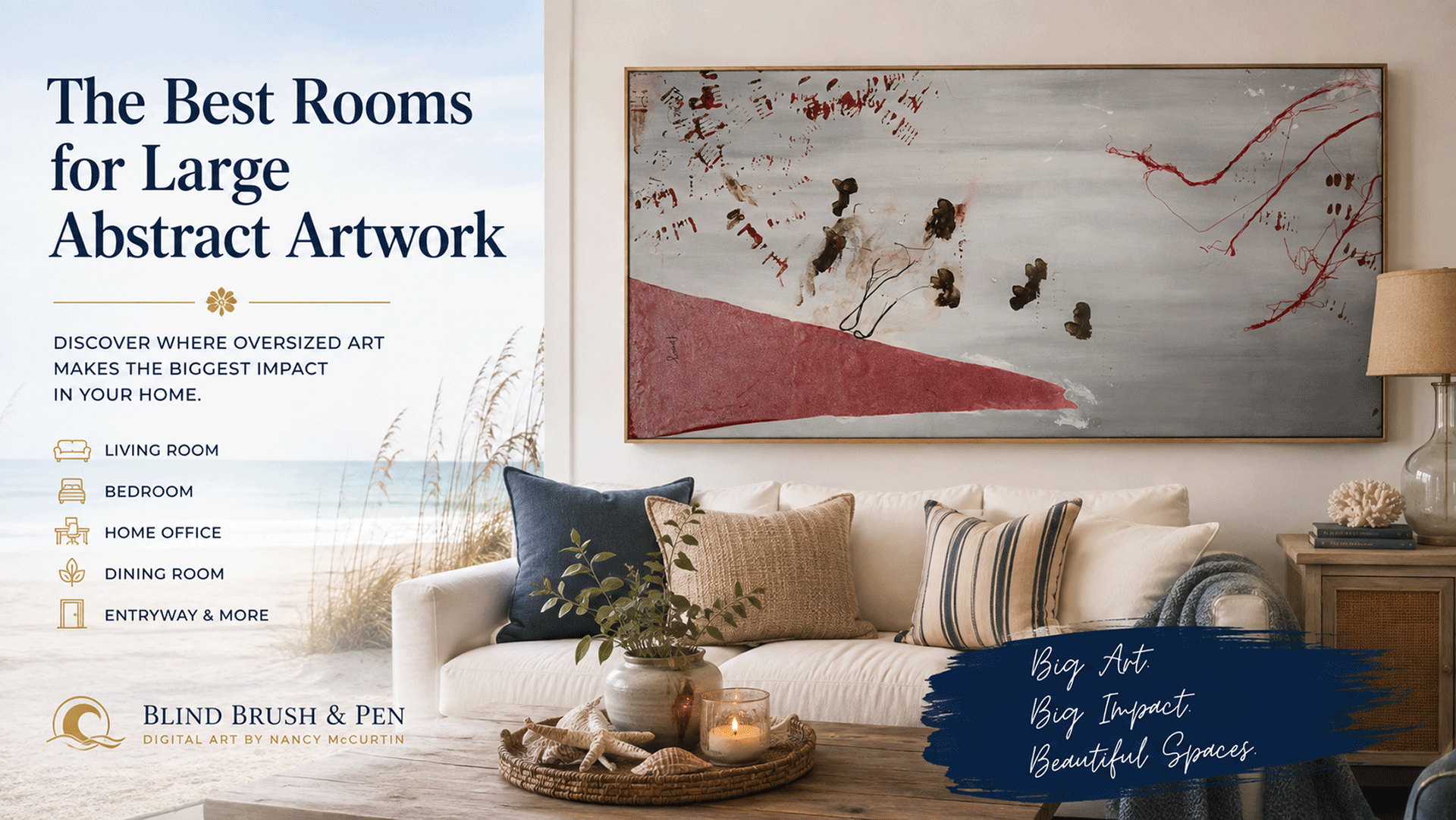
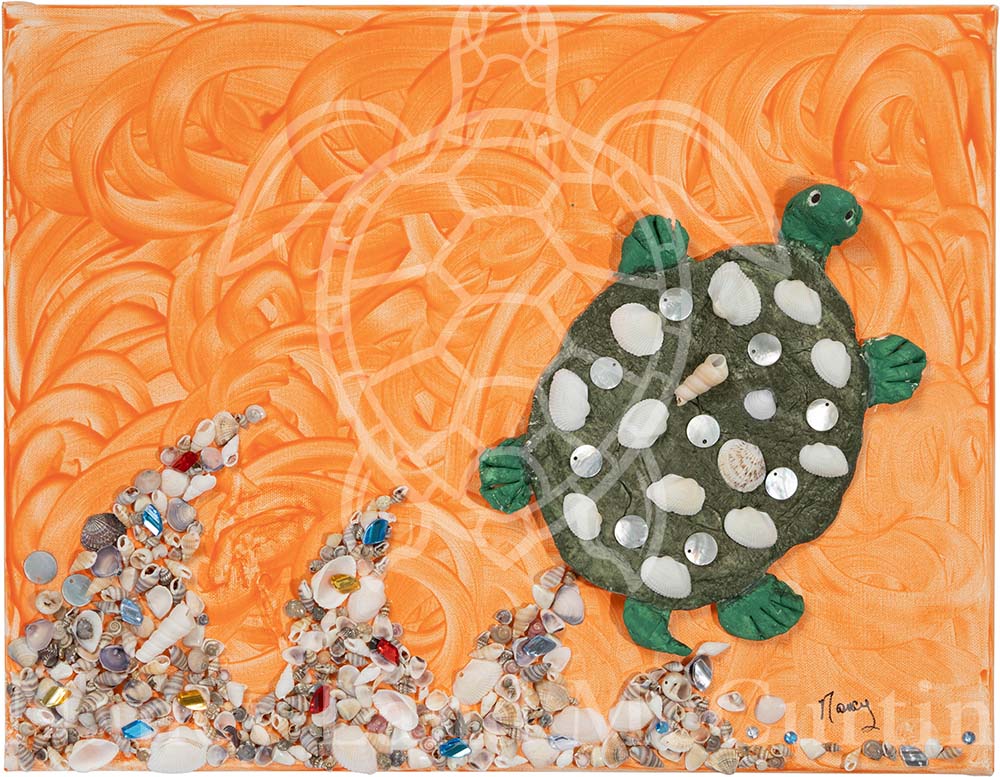
For those of us who create and experience art beyond sight, the canvas becomes a landscape of tactile information. When I work with raised string, sand, or heavy modeling paste, I am not just making a “substitute” for a visual line. I am creating a physical vibration. A sharp, jagged texture can communicate pain or energy far more effectively than a mere jagged line of black paint. A smooth, sweeping curve of silk or soft resin can evoke a sense of peace that transcends the color blue.
By engaging the sense of touch, the viewer (or “feeler”) is invited into a more intimate relationship with the work. They are no longer standing at a distance, observing from afar. They are connecting with the artist’s hand, tracing the same path I took to bring the piece to life. This physical connection strips away the barriers of “visual standards” and replaces them with raw, honest experience.
Finding the Emotional Core | Art Beyond Sight
If you ask a person what their favorite painting is, they might describe the colors or the subject matter. But if you ask them *why* they love it, they will describe a feeling. They might say it reminds them of home, or it makes them feel brave, or it brings a sense of quiet. None of those things—home, bravery, quiet—are visual. They are internal.
This is the heart of my work at BlindBrush&Pen. By focusing on what art feels like—both physically and emotionally—I am able to tap into a universal experience that sight often distracts us from. When we stop worrying about whether a painting “looks” like a tree, we can finally experience the strength, the ancientness, and the living breath of the tree itself.
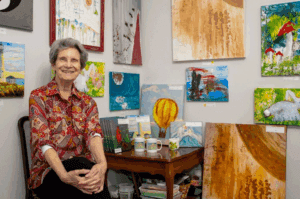
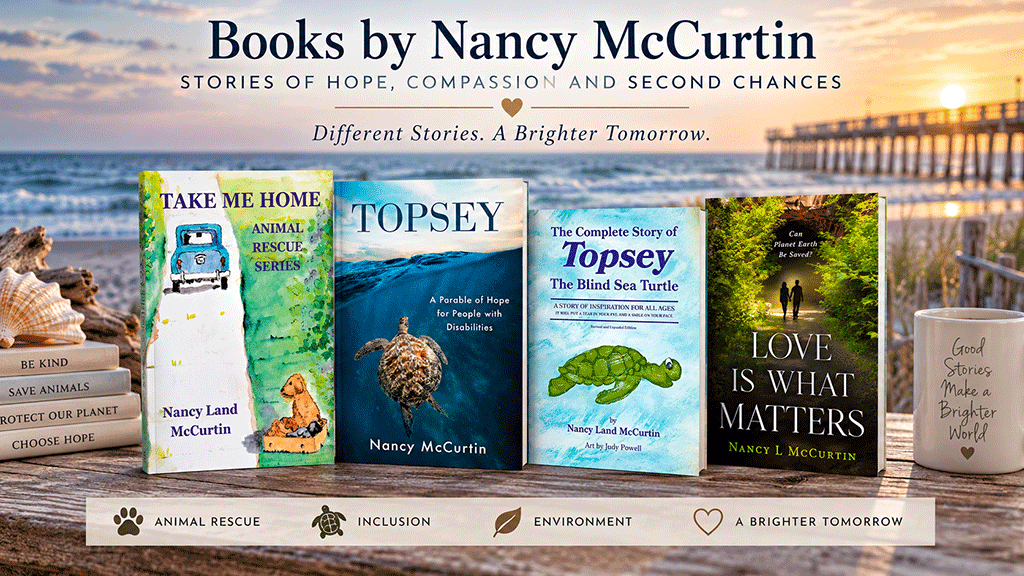
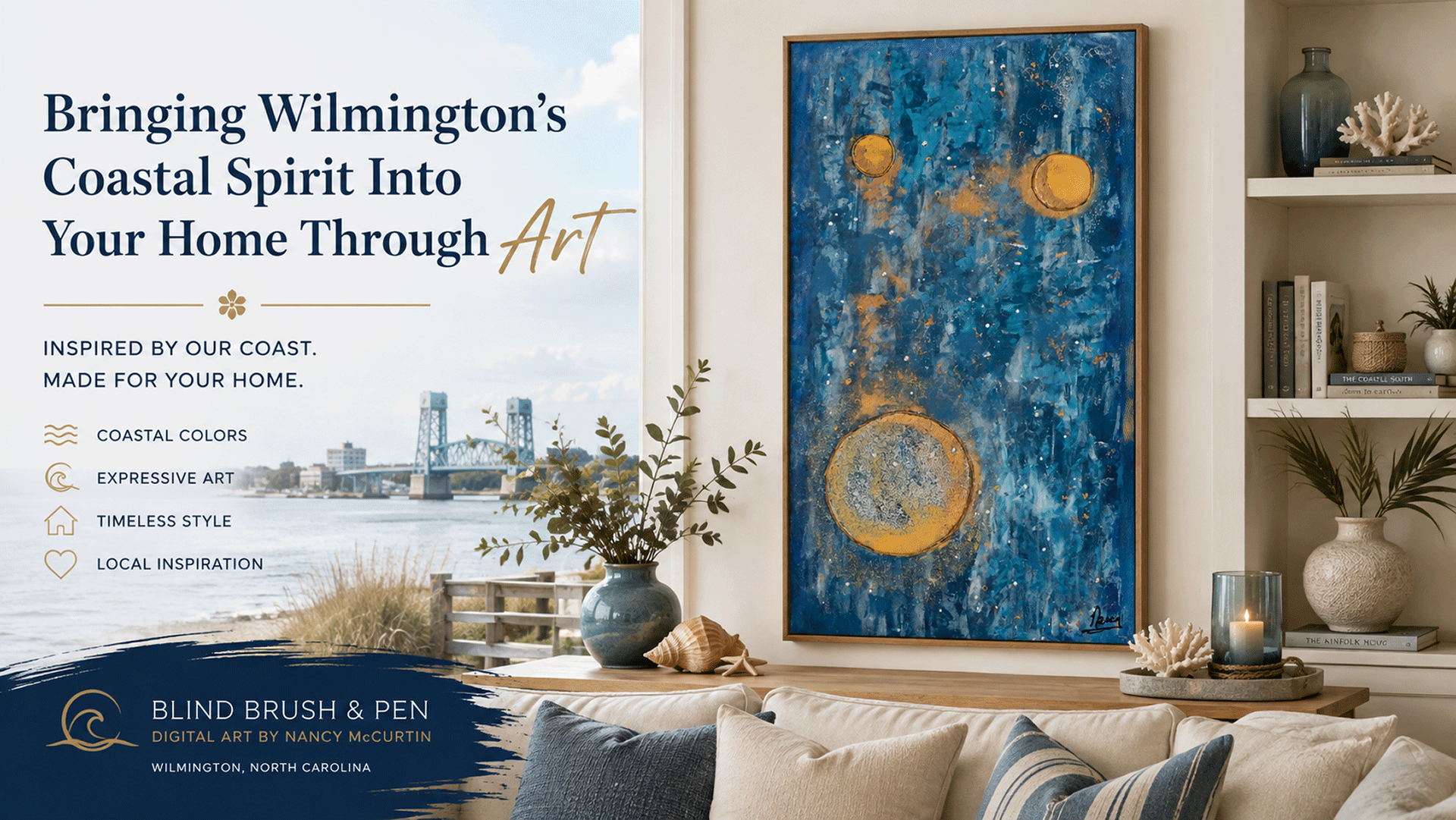
Art is not a spectacle to be watched; it is an experience to be inhabited. Whether I am painting a coastal scene from memory or writing a new chapter in the Topsey series, I am inviting you to look deeper. I am inviting you to realize that beauty is not a visual trait—it is a frequency, and it is available to everyone, regardless of how they see the world.
National Library Service for the Blind and Print Disabled (NLS) – Library of Congress
U.S. Department of Veterans Affairs (VA) – Blind and Low Vision Rehabilitation Services
American Foundation for the Blind (AFB)