
Blindness Is Not the End of Creativity
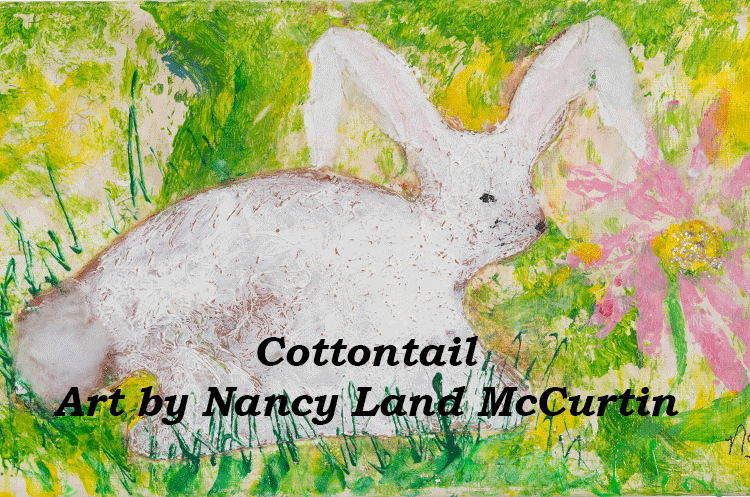
There is a common misconception that creativity is a purely visual gift—that to create art, one must be able to see the canvas, and to write a story, one must be able to observe the world through the eyes alone. When I lost my sight, I encountered this belief often. Many assumed that my life as an artist and author had reached a natural conclusion. But I soon discovered a profound truth: blindness is not the end of creativity; it is a redirection of it.
The urge to create does not live in the eyes. It lives in the heart, the memory, and the spirit. When the visual world faded, my other senses stepped forward to fill the void. I began to realize that my “vision” as an artist had never been about my physical ability to see colors or lines, but about my internal drive to express the human experience.
Shifting from Sight to Insight | Creativity and Blindness
Transitioning to life as a blind artist meant learning a new language. Instead of looking at a palette, I learned to identify the “weight” of different paints. Instead of checking for symmetry with my eyes, I began to map out my compositions using tactile boundaries and raised surfaces. This shift from sight to insight allowed me to connect with my work on a deeper, more physical level.
In many ways, my creativity and blindness have become partners. Without the distraction of visual perfection, I am free to focus on the rhythm of a piece—the way a textured stroke of sand across a canvas can convey the grit and spray of the ocean better than a smooth blue line ever could. The art is no longer a representation of what I see; it is an expression of what I know to be true.
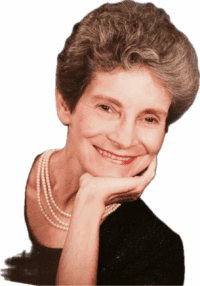
The Narrative Continues
This same evolution occurred in my writing. As the author of the Topsey series, I found that storytelling became richer when I leaned into sound, scent, and emotion. A character’s world is built through the rustle of leaves, the warmth of the sun on their skin, and the vibration of a voice. These are the elements that make a story feel alive, and they require no eyesight to master.
To anyone facing a significant life transition or a perceived “end” to their passion: remember that the light does not have to be present for the fire to burn. My tools have changed, and my methods have adapted, but my creative voice is louder than ever. Blindness was not the closing of a door; it was the opening of a different, more tactile path toward beauty.
National Library Service for the Blind and Print Disabled (NLS) – Library of Congress
U.S. Department of Veterans Affairs (VA) – Blind and Low Vision Rehabilitation Services
American Foundation for the Blind (AFB)
