Why Digital Art Prints Are Becoming the Interior Designer’s Secret Weapon
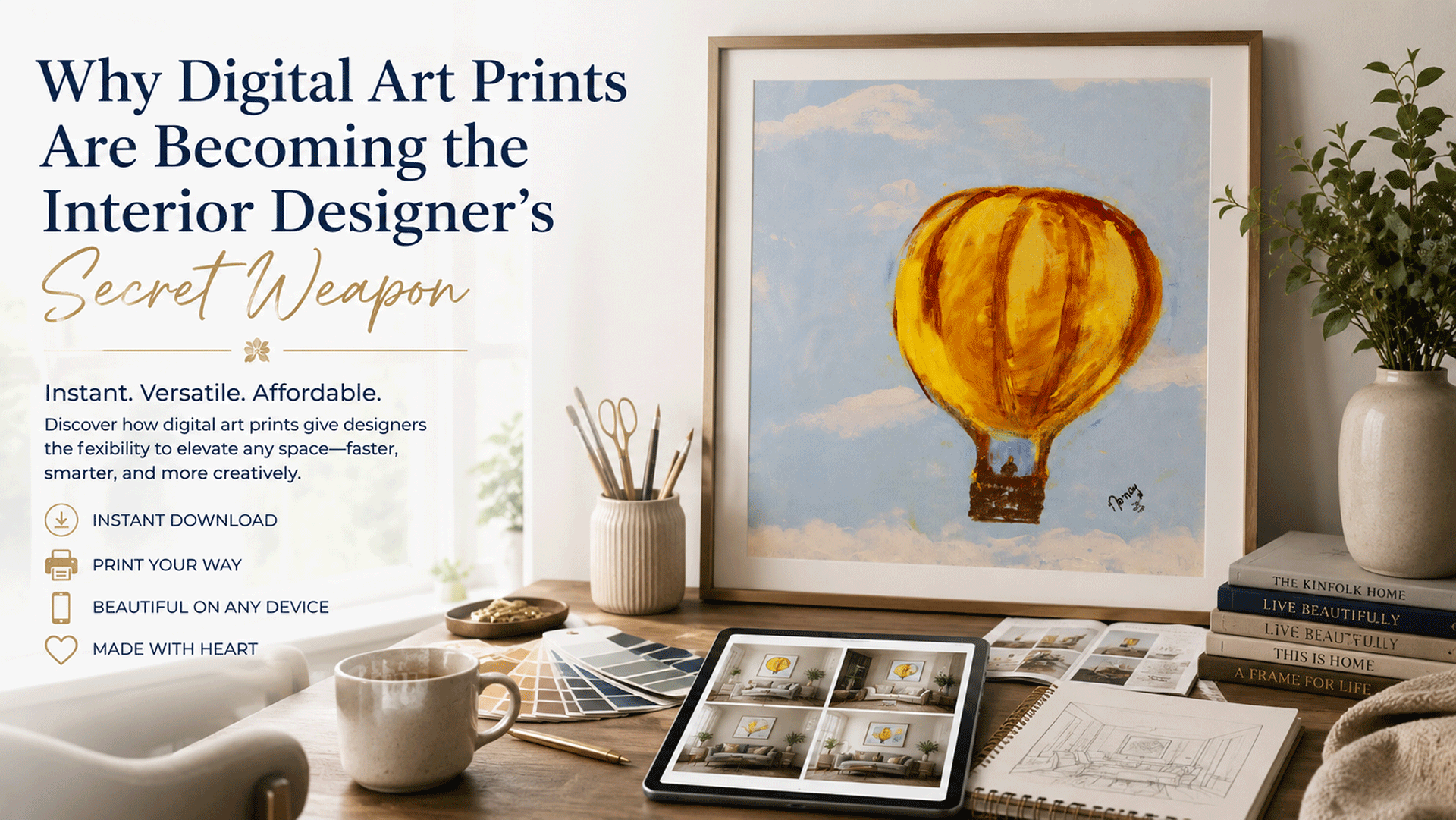
Interior designers are constantly searching for ways to create memorable spaces without allowing budgets, production delays, or limited product availability to derail a project. Furniture may take months to arrive. Custom artwork may require lengthy consultations and framing schedules. Even a seemingly simple decorative piece can become a problem when the correct size, color, or orientation is unavailable.
Digital art prints offer designers a flexible alternative. A professionally prepared digital artwork can be purchased and downloaded immediately, then printed locally in the size and format that best suits the room. The designer maintains greater control over the finished presentation while avoiding many of the shipping delays and inventory restrictions associated with conventional wall décor.
For designers working in Wilmington, Topsail Island, Jacksonville, and throughout coastal North Carolina, downloadable artwork can be especially valuable. Projects frequently include beach homes, vacation rentals, professional offices, restaurants, waiting rooms, and residential interiors that need distinctive artwork without the cost or delay of commissioning an original piece for every wall.
What Is a Digital Art Print?
A digital art print is a high-resolution artwork delivered as a downloadable file rather than as a finished physical product. After purchasing the artwork, the buyer can send the file to a qualified printer and choose how it will be produced.
Depending on the artwork and the available file specifications, it may be printed on canvas, fine art paper, photographic paper, metal, acrylic, or another suitable surface. This allows the same image to take on very different visual characteristics depending on the material, dimensions, framing, and placement selected for the room.
Digital artwork should not be confused with a low-quality image copied from the internet. Professionally created downloadable art is prepared specifically for reproduction and sold with defined usage rights. The buyer receives a legitimate copy that can be printed according to the terms provided by the artist or seller.
Nancy McCurtin’s Signature Digital Art Prints give designers and collectors access to expressive artwork that can be downloaded and prepared for a particular interior project.
Immediate Access Helps Keep Projects Moving
One of the greatest advantages of digital artwork is its availability. Once the purchase is complete, the file can typically be downloaded without waiting for a physical package to be prepared and shipped.
This speed matters when a project is approaching installation day. A designer may discover that a room still needs a focal point, that a previously selected piece no longer works with the furnishings, or that an additional artwork is needed to balance a large wall. Purchasing a downloadable piece can eliminate days or weeks of shipping time.
The file can be sent to a local print provider, allowing the designer to communicate directly with the company producing the final piece. Depending on the printer’s schedule, the artwork may be ready much sooner than a comparable product ordered from a distant retailer.
Immediate access is also useful for remote projects. A designer can purchase the artwork from one location and send the file to a printer near the client’s home, vacation property, or commercial space. This reduces unnecessary shipping and allows the completed artwork to be produced closer to its final destination.
Designers Can Choose the Final Material
When purchasing conventional wall art, the customer usually receives the image in a predetermined format. It may only be available as a framed paper print, a stretched canvas, or a specific type of decorative panel. That format may not complement the room or meet the practical needs of the project.
Digital art places more of that decision in the designer’s hands. A warm, residential interior might call for a textured canvas. A contemporary office could benefit from a clean acrylic or metal presentation. A traditional home may be better suited to a fine art paper print placed behind archival glass.
The printing surface can alter the character of the artwork. Canvas often creates a softer, more tactile appearance. Metal can intensify contrast and produce a modern finish. Fine art paper may preserve subtle details while allowing the frame and mat to become part of the overall design.
This freedom helps the designer adapt the artwork to the space instead of adapting the entire room to a product with fixed specifications.
Flexible Sizing Solves Difficult Wall Problems
Wall dimensions rarely conform to the standard sizes offered by home décor retailers. A narrow hallway may need a vertical piece. A large sofa may require an oversized horizontal composition. An office reception area might have an unusually wide wall that looks empty when decorated with one small print.
A properly prepared digital art file can often be printed in multiple dimensions while maintaining its intended proportions. Before printing, the designer should confirm the permitted sizes and file resolution with the seller and printer. Within those limits, downloadable art provides considerably more flexibility than artwork sold in only one physical size.
This can be especially helpful when coordinating artwork across several rooms. A designer may use one substantial canvas as a primary focal point and select complementary digital pieces for smaller spaces. The printing materials and frames can then be coordinated to establish continuity throughout the property.
Designers should always avoid stretching, distorting, or disproportionately cropping an image simply to fit a wall. Working with a knowledgeable printer will help preserve the artist’s composition while identifying the best finished dimensions.
Digital Art Can Make Custom-Looking Design More Affordable
Original artwork remains an important and valuable part of interior design. A one-of-a-kind painting can become the emotional center of a home or the defining feature of a commercial space. However, purchasing original work for every room may exceed the client’s budget.
Digital fine art can help bridge the gap between mass-produced décor and original artwork. The client receives a legitimate reproduction of artwork created by an identifiable artist, while the designer gains flexibility in printing and presentation.
The result can feel much more intentional than selecting generic decorative prints that appear in countless homes, offices, and rental properties. The designer can invest in better printing, framing, and placement while maintaining control over the overall project cost.
This approach is particularly effective in vacation rentals and second homes. Owners want spaces that feel distinctive in photographs and memorable to guests, but they may be reluctant to place valuable original artwork in every bedroom or common area. Digital art prints can provide a recognizable creative identity without exposing irreplaceable originals to frequent turnover and accidental damage.
Artwork Can Establish the Mood of a Room
Art does more than occupy an empty wall. It influences how a room feels and how its other elements are perceived. A bold abstract composition can energize a living area. Softer forms can introduce calm into a bedroom. Coastal colors may reinforce a connection to water without relying on predictable images of shells, anchors, or boats.
Interior designers often use artwork to connect several parts of a room. A composition may repeat an accent color found in a chair, rug, or textile. It may introduce contrast into a neutral space or provide movement in a room dominated by straight architectural lines.
Nancy McCurtin’s artwork offers an especially interesting creative perspective. As a blind artist and author, she creates through memory, emotion, texture, imagination, and her personal understanding of form. That story gives the artwork greater depth than a decorative image selected only because it matches the sofa.
For a designer, the artist’s story can also become part of the client’s experience. Visitors may initially respond to the color and composition, then discover the creative process and perspective behind the work. That added layer helps transform wall décor into a genuine conversation piece.
A Digital Collection Makes Client Presentations Easier
Digital artwork is naturally suited to the way many designers now develop and present their concepts. Designers frequently use digital mood boards, room renderings, presentation software, and shared online collections to help clients visualize a completed space.
A digital art collection can be reviewed alongside furniture, paint colors, fabrics, lighting, and flooring. This makes it easier to compare possibilities before committing to a finished print.
Designers may also create a digital room mockup that demonstrates how an artwork could appear above a fireplace, behind a reception desk, or on a bedroom wall. Although the final colors and scale may vary slightly after printing, the mockup helps clients understand the intended relationship between the artwork and the room.
The convenience of reviewing art online can also simplify collaboration when clients live outside the area. A property owner in another state can approve artwork for a Topsail Island beach house or Wilmington rental property without visiting a gallery or receiving physical samples through the mail.
Local Printing Provides Greater Quality Control
Purchasing digital artwork does not mean the printing process should be treated as an afterthought. The quality of the printer, ink, surface, stretching, mounting, and framing will influence the appearance and longevity of the finished piece.
Interior designers can work with a trusted local printing company to review material samples and determine which production method best suits the project. This gives the designer an opportunity to inspect the finished work before installation and address any concerns directly with the printer.
A professional printer can also advise on resolution, color profiles, cropping, edge treatments, and the maximum recommended print size. For canvas, the designer may need to choose between mirrored, wrapped, or solid-color edges. Paper prints may require decisions about matting, glazing, and archival materials.
The downloaded file is therefore not the final decorative object. It is the foundation from which the designer creates a finished presentation appropriate for the client and the space.
Digital Art Works Beyond the Walls
The appeal of downloadable artwork is not limited to large interior pieces. Art can also become part of a person’s everyday digital environment.
Nancy McCurtin’s Phone Wallpaper Gallery makes selected imagery available for mobile devices. Phone wallpapers offer an accessible way for someone to carry an artist’s work throughout the day without purchasing or producing a physical print.
For designers and creative professionals, a phone wallpaper can also serve as a small source of visual inspiration. Color, movement, and abstract form become part of an object that is viewed repeatedly rather than remaining confined to a room.
Digital phone art also makes an immediate gift. There is no shipping requirement, and the recipient does not need to locate wall space or arrange professional framing.
Important Questions to Ask Before Purchasing Digital Art
Before selecting downloadable artwork for a professional project, designers should review the product description and usage terms carefully. Important questions include:
- What file format is included with the purchase?
- What are the pixel dimensions and resolution of the file?
- What is the largest recommended print size?
- Which aspect ratio should be maintained?
- Is the purchase intended for personal or commercial use?
- Can the artwork be printed more than once?
- May it be used in a vacation rental, office, or other business setting?
- Are alterations, cropping, or color changes permitted?
Purchasing a digital file does not usually transfer ownership of the underlying copyright. The artist generally retains the copyright while granting the buyer specific permission to download and use the artwork. Designers should never resell, redistribute, share, or upload the original file unless the license expressly permits it.
A More Flexible Way to Bring Art Into a Space
Digital art prints are becoming a valuable resource because they solve practical problems without reducing artwork to a disposable decorating accessory. They provide immediate access, adaptable sizing, a choice of printing materials, and the opportunity to create a polished presentation that reflects the needs of a particular room.
For interior designers, this flexibility can help keep projects on schedule while offering clients artwork that feels more personal than conventional mass-market décor. For homeowners and collectors, it provides a more accessible way to discover an artist, select a meaningful image, and determine how that image will live in their space.
Nancy McCurtin’s creative work brings together art, storytelling, emotion, and a perspective shaped beyond sight. Her downloadable collections make that work available to designers and art buyers who want greater control over how a finished piece is printed and displayed.
Explore the complete selection through the Blind Brush & Pen online store, browse the Signature Digital Art Prints, or choose an immediate digital piece from the Phone Wallpaper Gallery.